Living In Albany: Small-Town Vibe On The Bay
June 4, 2026
June 4, 2026
If you want Bay Area access without giving up a neighborhood feel, Albany deserves a close look. This small East Bay city packs a lot into a compact footprint, which is part of why so many buyers are drawn to it. From older residential streets to shoreline trails and a walkable main street, Albany offers a lifestyle that feels both local and connected. Let’s take a closer look at what living in Albany is really like.
Albany sits on the eastern shore of San Francisco Bay, bordered by El Cerrito, Richmond, and Berkeley, with Interstate 80 along its western edge. That location gives you a practical mix of neighborhood-scale living and easy access to the wider Bay Area. In a region where commutes and daily logistics can shape your quality of life, that balance matters.
One of Albany’s biggest strengths is how much fits into a small area. The city’s geography and planning documents point to a place where errands, parks, transit, and commercial areas are tightly woven together. In everyday terms, that can mean less time driving across town and more time actually enjoying where you live.
Albany’s housing stock is largely older and low-rise, which helps define the city’s look and feel. According to the city’s housing element, more than half of Albany’s homes are over 60 years old. In the eastern half of the city, especially east of Masonic Avenue, most homes were built before 1940.
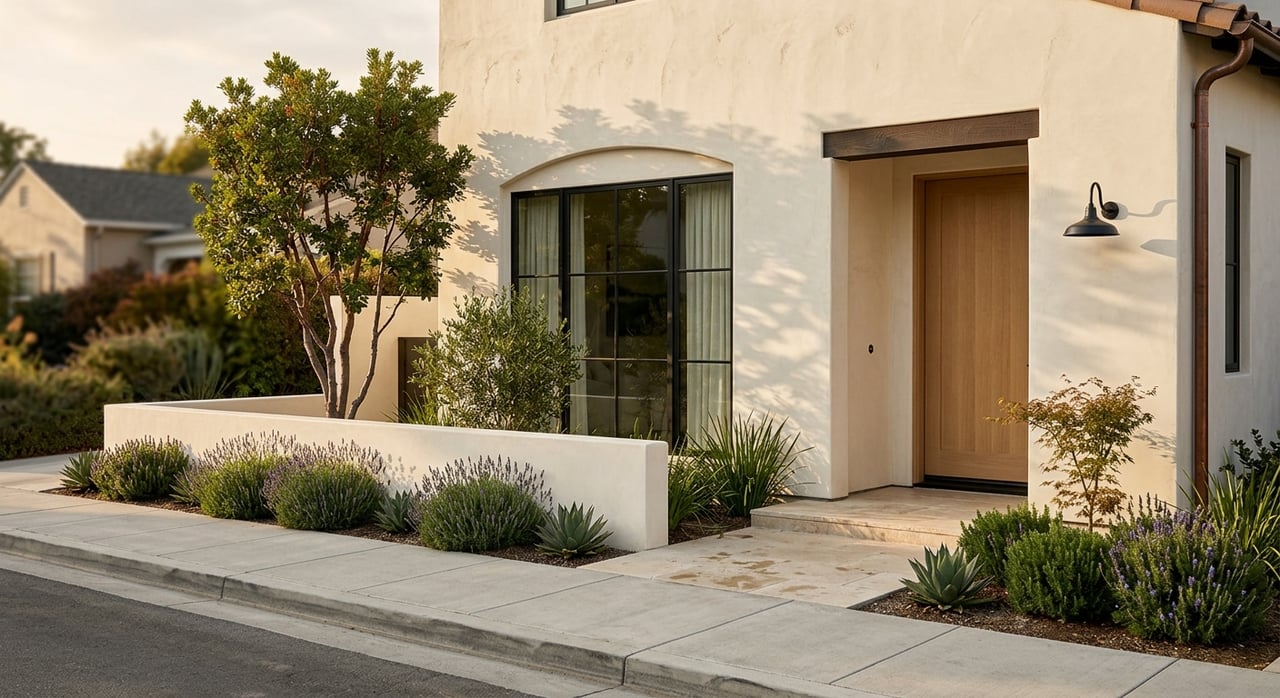
That older housing stock gives many streets a lived-in, established character. You will see a strong presence of single-family homes in some areas, along with small multifamily buildings and apartment-style housing in others. If you like communities with architectural variety instead of a uniform tract-home feel, Albany stands out.
Albany is not made up of only detached houses. City data show a meaningful share of two-unit properties, small multifamily buildings, and larger apartment-style housing, particularly west of San Pablo Avenue, around Pierce Street, and in UC Village. That gives buyers and renters a broader range of housing types than they might expect in a small city.
Another important detail is scale. About 68 percent of Albany housing units have two bedrooms or fewer, so many homes are relatively compact. For some buyers, that is part of the appeal. For others, especially those needing more space, it is something to keep in mind as you compare options.
Albany actively encourages reinvestment in existing homes. The city’s planning framework and residential design guidelines are intended to support maintenance, additions, and new single-family construction that fit neighborhood patterns. That approach helps explain why you may see well-kept older homes alongside selective updates and infill.
The city’s 2023 to 2031 Housing Element was certified in September 2023, which also signals that housing policy is active and evolving. In practical terms, Albany is not frozen in time. You can still expect its established character to remain a big part of the city’s identity.
If Albany has a heart, it is Solano Avenue. The city describes it as the primary neighborhood commercial district, and planning documents note that it sits within half a mile of nearly all residents. That makes it a true daily-use corridor, not just a place you visit once in a while.
Solano has a village-scale feel, with storefronts, restaurants, and local businesses in a pedestrian-friendly setting. For many residents, this is where Albany’s small-town vibe shows up most clearly. You can picture quick errands, casual meals, and a street experience that feels more browse-and-stay than rush-through.
San Pablo Avenue serves a different function in Albany. It has traditionally been more auto-oriented, but the city’s planning efforts are focused on shaping it toward pedestrian-oriented mixed use. That includes more housing, better walking and biking conditions, and a stronger sense of activity and gathering.
For anyone considering a move, this contrast is helpful. Solano Avenue tends to represent the established, village-like side of Albany, while San Pablo reflects areas where change and redevelopment are more visible.
Albany has a strong parks-and-trails identity, and the waterfront is a big part of that. The city includes about 190 acres along the bay edge, with roughly 88 acres of publicly owned parkland that includes Albany Beach, the Bulb, and the Plateau. That is a notable amount of open space for such a compact community.
The waterfront also connects into the Bay Trail network. The city notes that the Bay Trail connection between Gilman Street and Buchanan Street was completed in 2020 as part of Albany Beach and Neck public access improvements. If being close to shoreline walking and biking routes matters to you, Albany offers real day-to-day access.
Albany Hill is one of the city’s most recognizable natural features. Rising to 338 feet, it is described by the city as Albany’s most prominent landmark and a unique geological and ecological resource. It gives the city a visual anchor that feels distinct from flatter bayfront areas nearby.
Memorial Park serves as the city’s main park, while Ocean View Park is the only developed park in western Albany, west of San Pablo Avenue. Together with the waterfront, these spaces help make outdoor time feel built into daily life rather than something you have to drive far to find.
One of Albany’s most useful amenities is the Ohlone Greenway. The city describes it as an approximately 1-mile ADA-accessible linear park running beneath the BART tracks through Albany. It includes bicycle paths, walking trails, open space, and public art.
That kind of shared-use path can make a real difference in how a city feels. It adds another layer of mobility and recreation in the middle of town, connecting Albany to El Cerrito near Brighton Avenue and Berkeley near Gilman. For walkers, cyclists, and anyone who likes having a car-light option, it is a meaningful asset.
For a small city, Albany has strong mobility options. The city notes that AC Transit lines and a nearby BART station in El Cerrito provide access to San Francisco, Richmond, Berkeley, Oakland, and beyond. El Cerrito Plaza Station serves southern El Cerrito, northern Albany, Kensington, and nearby Berkeley and Richmond areas.
AC Transit Line 18 connects University Village, Albany, to Montclair in Oakland via Solano Avenue and Shattuck Avenue. Line G provides transbay service between Salesforce Transit Center in San Francisco and El Cerrito Plaza BART via I-80, University Avenue, San Pablo Avenue, and Solano Avenue, with a stop at Albany City Hall. For many residents, that adds flexibility beyond driving alone.
Albany’s compact layout works well with its trail system and transit connections. The Bay Trail and Ohlone Greenway help make biking and walking more practical than in many suburban-style communities. If you value a lifestyle where some daily trips can happen on foot or by bike, Albany has a strong case.
This is part of what gives the city its connected feel. You get a smaller-scale residential environment without feeling cut off from transit or outdoor access.
Drivers also benefit from Albany’s location. Interstate 80 runs along the city’s western edge, and the Bay Bridge is only a few miles south. That can make regional travel more straightforward than in some inland neighborhoods.
The tradeoff is parking pressure, especially in the busier commercial areas. Albany Police notes that parking is at a premium, and many spaces on San Pablo Avenue and Solano Avenue are limited to 90 minutes. If you are comparing neighborhoods or home types, parking is worth paying attention to.
Albany can make sense for several types of buyers. You may be drawn to it if you want an East Bay location with a strong neighborhood identity, older homes with character, and everyday access to parks, trails, and local businesses. It can also be appealing if regional access matters and you want options for transit, biking, or quick freeway connections.
Because many homes are older and often compact, Albany may especially suit buyers who appreciate established housing stock and are open to thoughtful updates over time. It can also be a practical place to explore if you want a small-city atmosphere without giving up proximity to Berkeley, Oakland, San Francisco, and the shoreline.
Albany feels small in the best way. It offers a village-scale main street, older homes, bayfront open space, and a location that keeps you connected to the rest of the East Bay and beyond. That combination is not easy to find.
If you are thinking about buying or selling in Albany, local context matters. Block by block, housing style, street feel, parking, and access can vary more than you might expect in a compact city. The Souza Niroomand Team brings deep East Bay knowledge, thoughtful guidance, and a no-pressure approach to help you make the right move.
August 13, 2026
August 6, 2026

August 6, 2026
July 23, 2026

July 16, 2026
July 9, 2026

July 2, 2026

June 25, 2026
June 18, 2026
Real estate decisions deserve honesty, not pressure. We’re known for clear guidance, creative vision, and the confidence to say when something isn’t right. Whether you’re buying your first home or selling a longtime residence, our goal is simple: help you make the best move for your life, not just the market.
Souza Niroomand Team
[email protected]
(510) 543-7016
Souza, Negar Taghavi | CA DRE# 01701667
Niroomand, Fereshteh | CA DRE# 00811861
7502 Fairmount Ave El Cerrito CA 94530